May 12, 2026
Owning a functional water heater is fundamental for any household, as it provides the essential hot water for bathing, cooking, and cleaning. Over time, however, these indispensable units can encounter a range of issues, leading homeowners to face a pivotal decision: should they repair their existing water heater or replace it altogether? This decision can have significant implications on household budgets, energy efficiency, and long-term convenience. In this article, we delve into the various factors that influence this decision, providing readers with comprehensive insights to guide them in making the best choice for their needs. From understanding the lifespan of different water heaters to considering cost, energy efficiency, and personal preferences, we cover all aspects to help you make an informed choice.
Understanding the Lifespan of Water Heaters
Types of Water Heaters and Their Average Lifespans
Water heaters come in several types, including tankless models, traditional tank systems, and hybrid versions, each with its own lifespan. On average, traditional tank water heaters have a lifespan of 8 to 12 years, mainly due to their continuous exposure to mineral build-up and constant use. Tankless water heaters usually last longer, ranging from 15 to 20 years, as they operate on-demand and do not store water continuously. Hybrid water heaters, known for their efficiency, have a lifespan falling somewhere in between, typically lasting around 13 to 15 years. Understanding these differences helps in predicting potential repairs or replacement needs, which is crucial for homeowners looking at the long-term costs and benefits of their options.
Factors Affecting the Longevity of Water Heaters
Several factors can significantly impact the lifespan of a water heater, the most notable being the quality of water in your area. Hard water, which contains a high concentration of minerals, can cause sediment buildup inside the tank, reducing efficiency and accelerating wear. Regular maintenance, such as flushing the tank to remove sediment, can extend a unit's life, while ignoring necessary upkeep might lead to premature failure. The frequency of use and preset temperature levels also play critical roles; water heaters that are used intensively or set to higher temperatures will undoubtedly experience more stress. Moreover, geographic location and the quality of installation can further influence how long a water heater remains viable.
Signs Your Water Heater May Be Nearing the End of Its Life
Awareness of the warning signs indicating a water heater's deterioration can save homeowners from unexpected breakdowns. Persistent water leaks around the unit, rusty or discolored hot water, and fluctuating water temperatures are key symptoms that a unit may be nearing its life’s end. Strange noises emanating from your water heater, such as popping or rumbling, often indicate sediment buildup and should not be ignored. If repair costs consistently exceed more than 50% of the price of a new unit, serious consideration should be given to replacement. According to HomeGuide, a water heater may require replacing if it is over a decade old, underscoring the importance of knowing your unit’s age and maintenance history.
The Impact of Regular Maintenance on Lifespan
Regular maintenance plays a pivotal role in extending the lifespan of water heaters, ensuring they operate efficiently for as long as possible. Routine checks can help identify potential issues early on, allowing for low-cost repairs and thus preventing more severe, expensive damage later. Regularly flushing the tank, checking the anode rod, and inspecting valves and vents can mitigate common problems like sediment buildup and corrosion. Homeowners who fail to maintain their units often find themselves facing inefficiencies or failures that could have been avoided with basic maintenance. As water heaters are a critical component of daily comfort, investing time in their upkeep can lead to significant savings in the long run.
When a Long Lifespan Doesn't Justify Repair
Even if a water heater model is known for its longevity, certain conditions may render repairs impractical. Over time, technological advancements make newer models not just more energy-efficient but also feature-rich, often rendering older units obsolete. If a unit consistently requires repairs, particularly those involving high costs, homeowners may find that replacement is more feasible than continuing to invest in an aging system. Additionally, issues such as an irreparable tank leak or the unavailability of replacement parts necessitate considering a new purchase. It's crucial for homeowners to balance the emotional attachment or sunk cost with practicality, opting for solutions that ensure reliability and efficiency.
Common Problems and Their Solutions
Leaking Water Heaters: Causes and Repairs
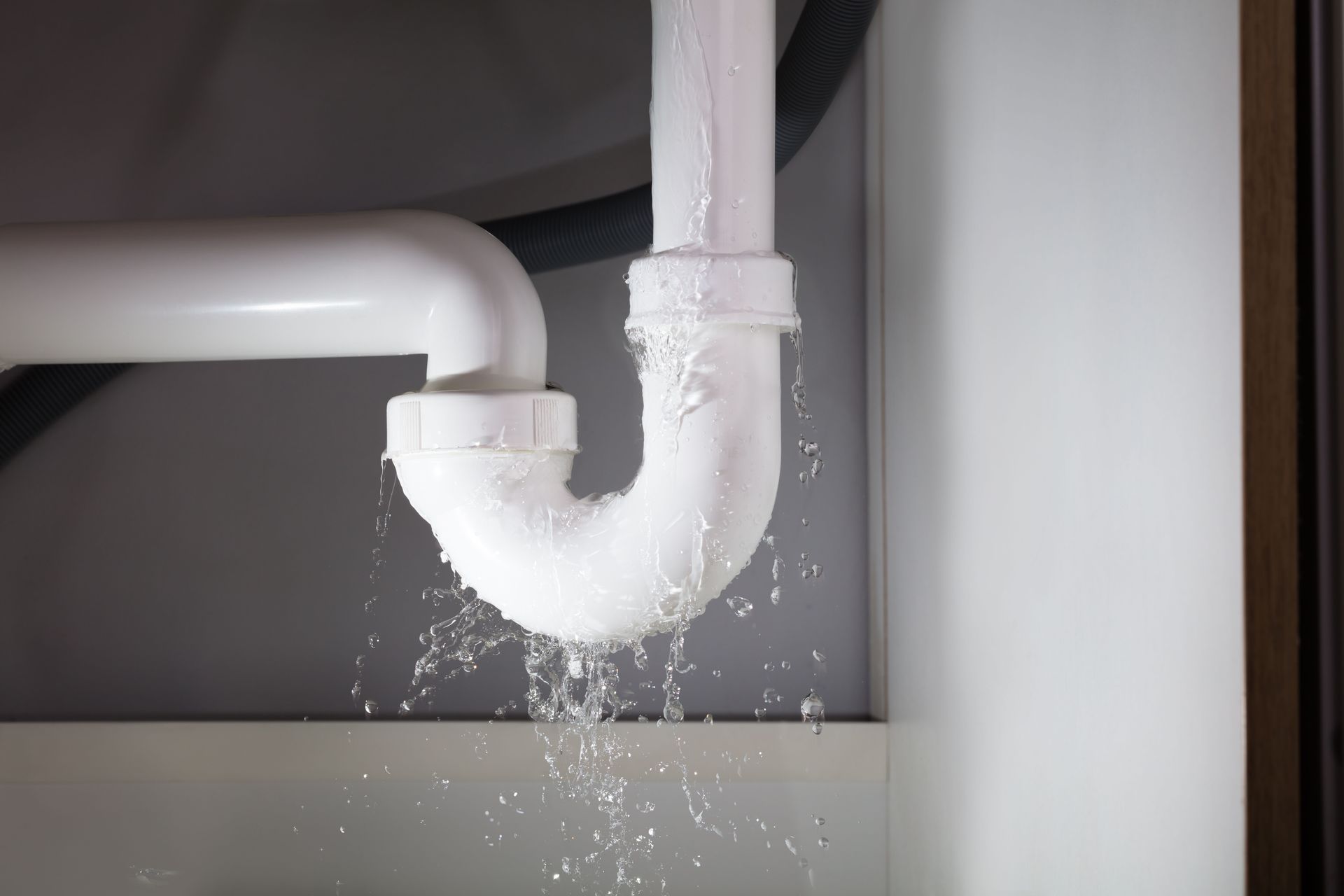
A common issue faced by homeowners is water heater leaks, which can spring from various sources such as worn gaskets or cracks in the tank. Leaks often begin as minor drips that escalate into more significant problems if left unaddressed. Upon identifying a leak, it's essential to first turn off the power supply and water feed to prevent damage and assess the leak's origin. Repairs may involve tightening loose connections, replacing a faulty valve, or in severe cases, patching or replacing the tank itself. Depending on the extent of the damage and cost considerations, repairing might satisfy temporary needs, but replacement could be a more appropriate long-term solution.
Strange Noises from the Water Heater
Strange noises emanating from a water heater can cause concern and typically indicate underlying issues. Popping or rumbling sounds often result from sediment buildup within the tank, which creates pockets of air that react when heated. This is a sign that the water heater is working harder than necessary, potentially leading to decreased efficiency and increased operational costs. In most cases, draining and flushing the tank can resolve the issue, removing sediment and restoring function. Ignoring these sounds can result in more severe damage over time, emphasizing the need for regular maintenance to prevent similar issues in the future.
Inconsistent Water Temperature: Quick Fixes
Experiencing inconsistent water temperatures when using a heater can be frustrating and may hint at several potential issues. One common cause is a faulty thermostat, which can easily be replaced with a standard repair. Mineral deposits within the tank can also lead to heating elements being less efficient, restricting heat transfer and causing fluctuations. In such cases, descaling or flushing the unit may improve performance without a huge expense. Eventually, assessing the cost-effectiveness of repairs relative to the age and efficiency of the unit can guide whether a replacement is worth considering.
Discolored or Foul-Smelling Water
If the water coming from your heater appears rusty or emits a foul odor, it could signal internal corrosion or bacterial growth. A rusted anode rod, meant to combat corrosion, may have reached the end of its lifespan, leading to rust contamination in your water. Rotting smells are often caused by sulfate bacteria living in the tank or degrading anode rods, both issues that are typically fixable with professional assistance. Replacing the anode rod and flushing the tank with hydrogen peroxide might eliminate these problems. However, persistent issues could be a sign of a more significant problem, advocating for an overall evaluation of the unit's condition and life expectancy.
Low hot water pressure can be an inconvenience stemming from several potential sources, including clogged plumbing or malfunctioning valves. Accumulation of sediment and mineral deposits within the pipes or heating system can also contribute to reduced pressure over time. Routine plumbing inspections and water pressure assessments can diagnose these issues efficiently, potentially involving professional intervention for optimal solutions. Replacing faulty pressure-reducing valves or considering re-piping can often resolve pressure hiccups. Understanding the underlying cause is crucial, particularly in older systems where upgrading might be a more viable answer to ensure sustained service quality. Be sure to reach out to JWC Home Services today for more information on our professional local plumbing company!