May 12, 2026
Maintaining a warm and comfortable home environment depends heavily on the reliability of your heating system. Boilers are crucial for home heating and efficiency, yet knowing when to replace them is key to maintaining comfort and safety. In this article, we highlight several unmistakable signs indicating that it might be time to replace your boiler. A boiler functions as the heart of a home's heating system, and its effectiveness can directly impact your comfort and utility bills. As energy costs rise, ensuring that your boiler is running at peak efficiency becomes even more crucial. Awareness of these signs allows homeowners to act proactively, protecting themselves from unexpected breakdowns and inefficient operation. Choosing to work with a professional plumbing company can help you identify these issues before they become emergencies.
Replacing a boiler is a significant investment, but delaying replacement can lead to even higher costs in repairs and energy inefficiency. Regular assessments and understanding the lifespan of your boiler can guide you in making informed decisions. It is important to consult with professionals who can provide detailed evaluations of your current system. By doing so, you can plan for replacement instead of reacting to an emergency situation, which is often stressful and expensive. Staying tuned as we delve into specific indicators that signal the need for a boiler replacement. A reputable plumbing company will often provide the best insight into the current state of your equipment.
Throughout this article, we will discuss the common issues that could arise in an older boiler and how they affect the operation and efficiency of your home's heating. Each sign will be supported with comprehensive details so you can identify potential problems before they escalate. Remember, replacing your boiler at the right time not only ensures a comfortable living environment but also enhances the safety and sustainability of your home. Let us explore these critical signs in detail, starting with the burden of frequent repairs.
Evaluate the Frequency of Repairs
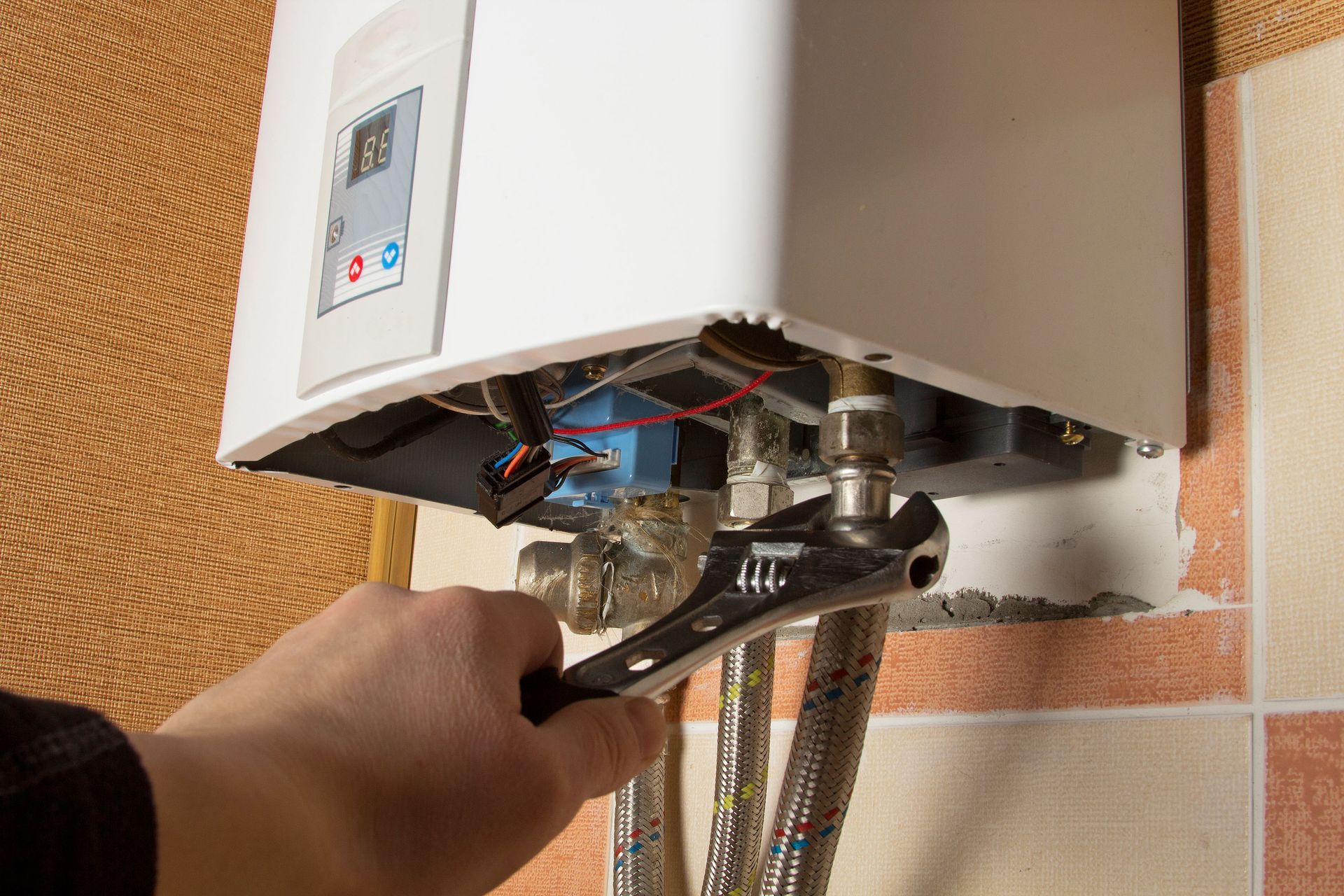
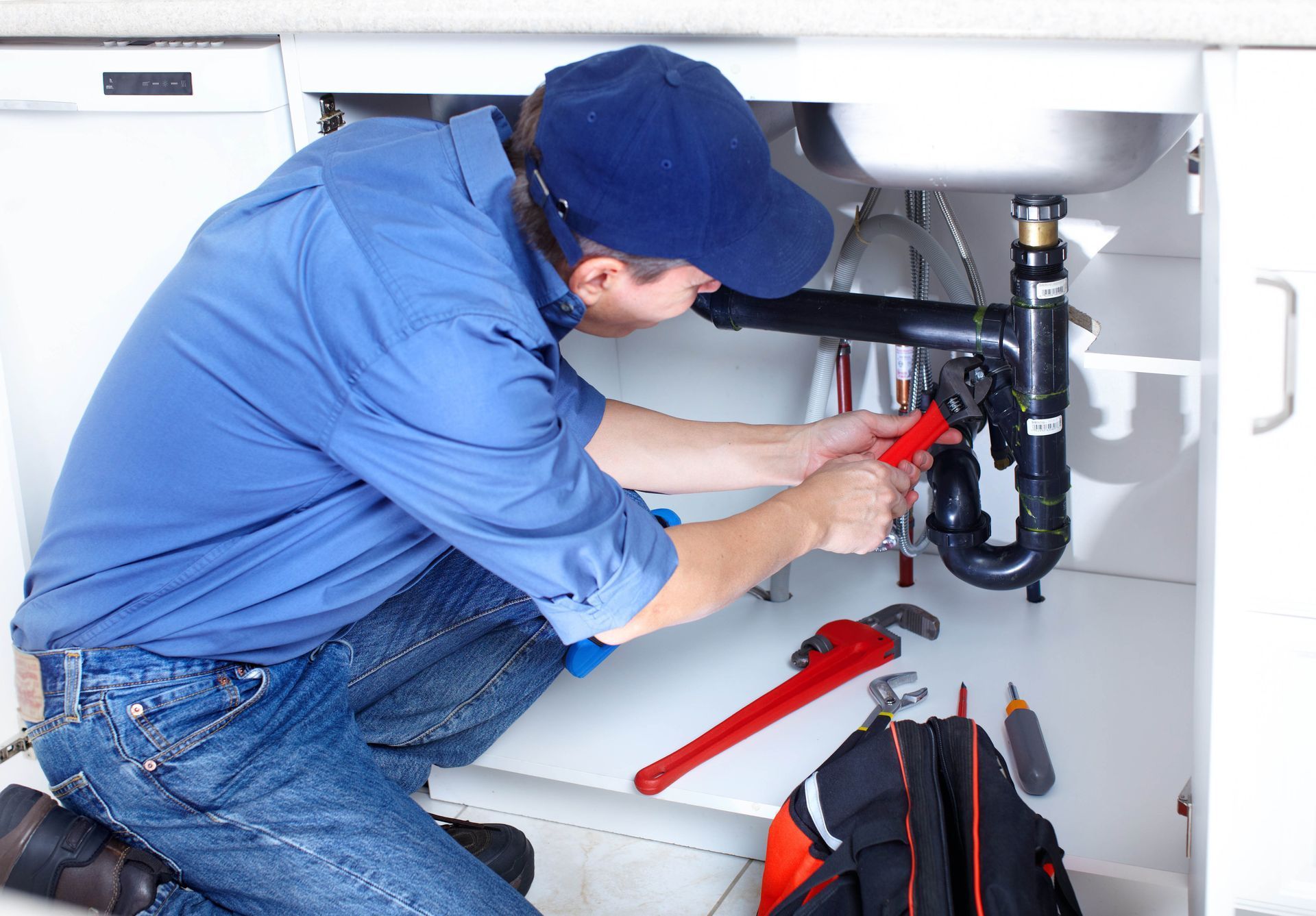
One of the most glaring signs that your boiler might need replacement is the frequency of repairs it requires. When repairs become commonplace, they can quickly escalate into considerable expenses, pushing the cost of maintenance beyond reasonable limits. This financial burden is exacerbated when labor and part prices rise over time, diminishing the economic luster of temporary fixes. Often, a series of continuous repairs directs attention away from the root cause, leading to the repetition of similar issues. Indeed, frequent repair bills may ultimately exceed the cost of a new, efficient boiler, making replacement the more viable option. You should consult a local plumbing company to see if your repair history justifies a total system upgrade.
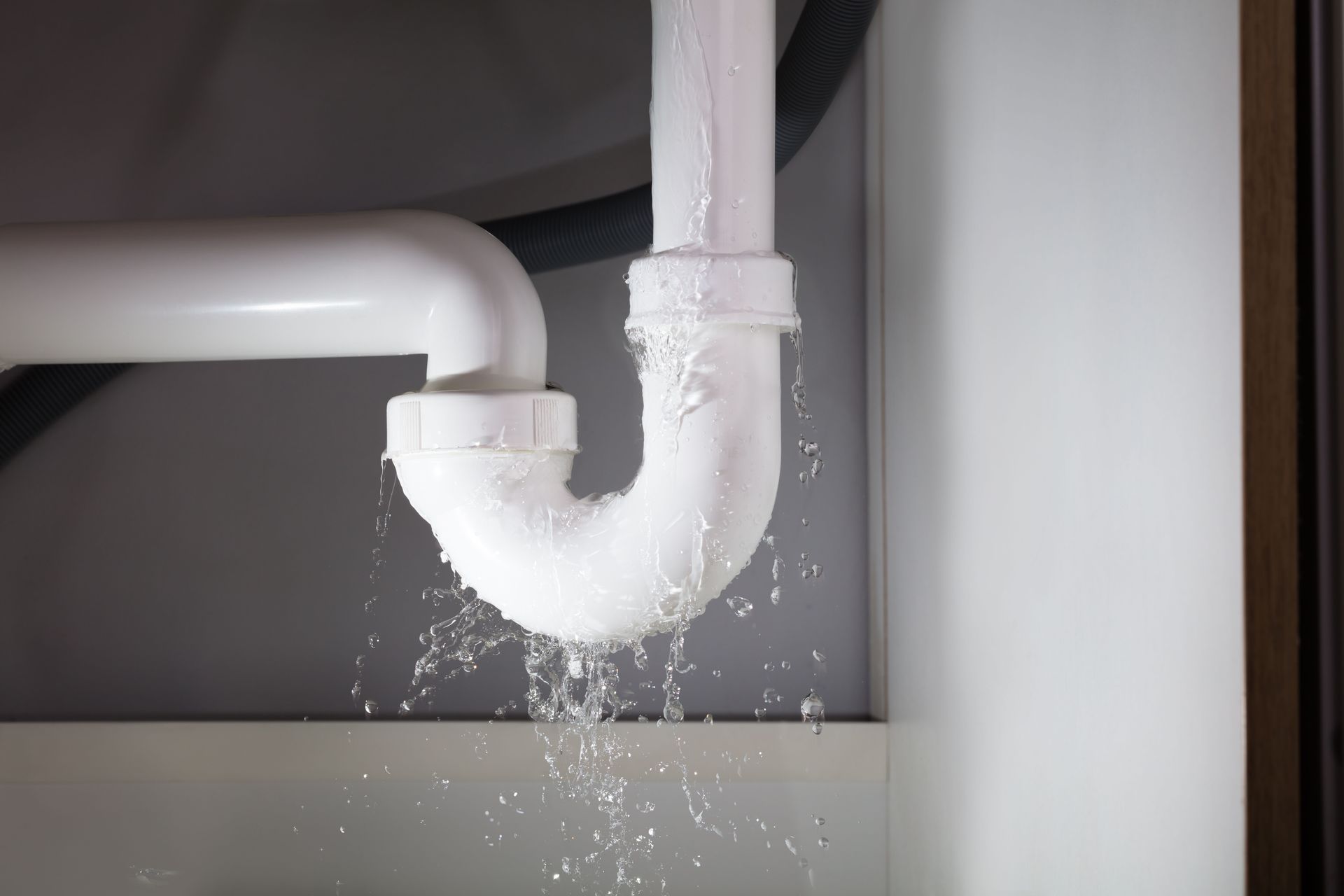
Additionally, recurring issues tend to signal deeper mechanical problems that may persist despite frequent interventions. Problems like leaks, pressure drops, or poor temperature control often recur if the underlying cause is not addressed. This perpetual cycle is not only frustrating but also disruptively impacts the consistency of home heating. As boilers age, wear and tear increase the frequency of breakdowns, leading to regular repair calls that wane the system's reliability and performance. In such cases, replacement becomes a constructive step towards ensuring a seamless heating experience.
Monitor the Age of Your System
Boilers, like most appliances, have a finite lifespan, with modern units typically designed to provide service for many years. According to House Grail, a professionally installed boiler can last 10 to 15 years. As they age, their efficiency inevitably declines, often leading to increased operating costs and diminishing heating outputs. Old boilers are likely to be less fuel-efficient, consuming extra energy to provide the same level of heating as when they were new. Additionally, older units are more prone to breakdowns and may not comply with current efficiency standards, making replacement not just a suggestion but often a necessity. Therefore, if your boiler is nearing or has surpassed its expected lifespan, it is prudent to consider an upgrade.
The inevitable wear and tear over time also plays a significant role in a boiler's decline in efficiency and operational reliability. Components may degrade under constant use, potentially leading to safety hazards and system failures. Additionally, environmental regulations continue to evolve, often imposing stricter standards on energy efficiency and emissions, leaving older systems out of compliance. Replacing an aging boiler not only addresses these concerns but also secures peace of mind from knowing that your heating system meets contemporary standards. Contacting a plumbing company for an age assessment is a great way to start this process.
Listen for Unusual Noises
Another telltale sign that it might be time for a boiler replacement is the emergence of unusual noises during operation. One common issue is "kettling," which is characterized by a rumbling sound, similar to a kettle boiling. This usually occurs due to hard water buildup in the heat exchanger, which can severely damage the system over time. Kettling is generally indicative of a loss of efficiency, as the boiler struggles to maintain consistent temperatures. If left unaddressed, these deposits can lead to further degradation, necessitating both costly repairs and ultimately, system replacement.
Additional noises like whistling or shrieking can also plague aging boilers. These are often caused by minor leaks or excess air within the system, situations that may appear minor but can lead to complex repairs if ignored. Occasionally, vibrational noises stem from visibly loose components in and around the boiler, contributing to the cacophony. While any noise should be investigated thoroughly by a plumbing company, those that persist or worsen over time may indicate that replacement should be considered. Understanding the transition from nuisance to potential safety hazard is key to managing your heating system effectively.
Track Rising Energy Bills
Older boilers often operate with reduced efficiency, which can lead directly to increased energy bills. This decrease in performance is typically due to wear and tear on components that restrict the system's ability to operate at peak efficiency. When energy bills start rising without a reasonable explanation, it can serve as an indication that your boiler isn't running efficiently any longer. Even slight drops in efficiency can translate into substantial cost increases over the course of a year. Consequently, upgrading to a newer, more efficient model can result in noticeable savings on energy costs.
Inefficient energy usage not only impacts your wallet but also the environment, as older boilers generally consume more gas or electricity to achieve desired heating levels. This increase often leads to excess energy waste and higher emissions, contributing to a larger carbon footprint. By replacing an inefficient boiler, homeowners can substantially reduce their environmental impact while complying with new regulatory standards. Testing the efficiency of your boiler confirms inefficiency and supports the decision to replace the system. We recommend reaching out to a professional plumbing company to perform an efficiency audit on your home.
It is crucial to understand that investing in a new boiler is not merely a financial decision but a strategic one that long-term pays dividends in operational savings and comfort. With new technological advancements, you can select systems that offer improved efficiencies, reduced emissions, and enhanced safety features. Being aware of the signs and willing to act on them is essential in ensuring your home's heating infrastructure remains robust and reliable. Initiate consultation with our experts to evaluate your circumstances and determine the most advantageous time for your boiler replacement, ensuring a warm and worry-free home environment. Every plumbing company will agree that a proactive approach is better than a reactive one.
Ultimately, the decision to replace a boiler is personal, rooted in understanding your unique situation and weighing the long-term benefits against short-term inconveniences. Embracing a modern, efficient boiler can lead to significant energy savings and environmental benefits, providing a win-win option for conscientious homeowners. Efficient heating systems safeguard your home environment and align with energy conservation goals, ensuring reduced carbon footprints and adherence to updated environmental standards. Be assured, the knowledge acquired through this article empowers you to make informed decisions about your heating system, advancing both comfort and financial prudence. If you are ready to upgrade your home heating, contact JWC Home Services today to schedule your consultation.